
Categories
FUTURE & HUMANITY

Digital Philosophy: A Manifesto for Modern Thought

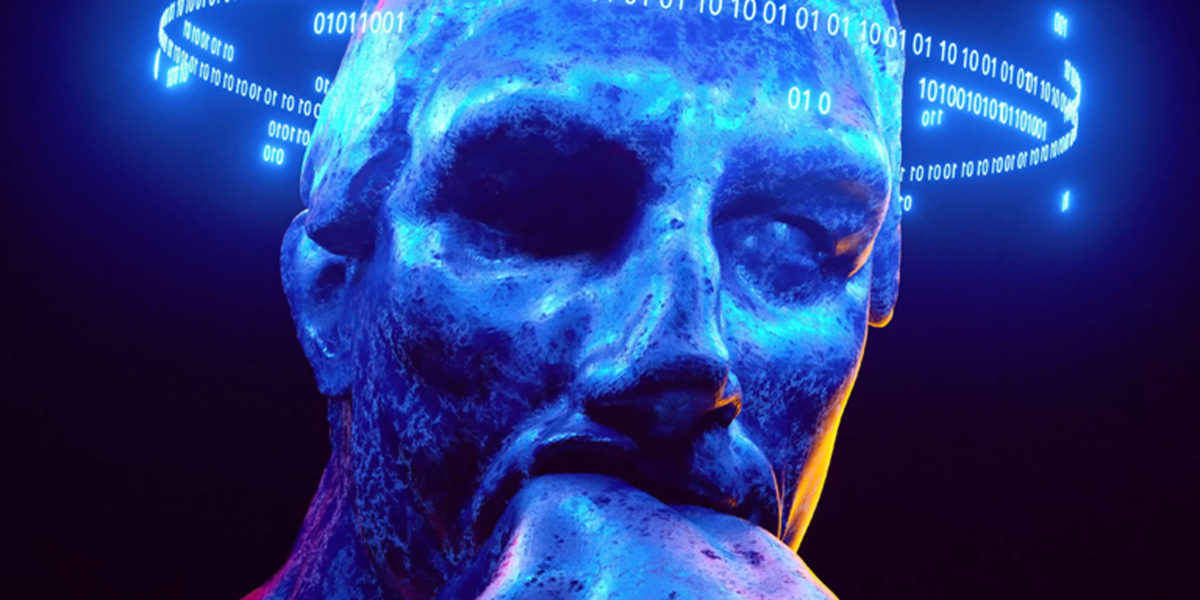
What if the world around us—everything we see, feel, and think—is built not just from atoms, but from patterns, logic, and code?

Digital philosophy explores this idea. It asks whether the universe, consciousness, and even human thought might be shaped by computation.

But this isn’t just a scientific theory – it’s a way of rethinking what it means to be human, in the digital age and AI revolution.

Digital philosophy brings together science and the humanities. It’s about understanding how technology reshapes our minds, relationships, work, governance, economies and culture—and why that matters more than ever.

In the digital age, our identities are shaped not only by who we are, but by how we appear online. Algorithms influence what we see, what we believe, and how we behave.

Our memories are outsourced to devices and our decisions are nudged by invisible systems.

As a digital philosopher, I explore what it means to be human in a world where machines can think, act, and even create. Who is responsible when artificial intelligence makes choices? How do digital environments affect our ethics, our autonomy, and our sense of self?

As AI enters our workplace and homes, and data capitalism rewrites the rules of freedom and control, we face urgent questions: Can we coexist with intelligent machines? Will we be enhanced… or erased?

Digital philosophy is our mirror and our compass. It doesn’t offer easy answers—but it does demand that we ask better questions.

Two branches stand out: posthumanism, which explores how humans evolve alongside intelligent machines; and the philosophy of information, which examines how meaning is created and interpreted in a world of constant data flow.

Digital philosophy doesn’t offer easy answers. But it helps us to think and ask better questions—about technology, about society, and about ourselves.

As we move further into a computational world, the challenge is not just to understand the systems and technologies we build—but to understand how they are reshaping us.

Digital philosophy isn’t just theory—it’s a lens through which we must examine our rapidly changing world.

As we shape and are shaped by digital technologies, we face a profound question: will we remain authors of our future, become obsolete or become characters in a story written by machines?

About the Author

Deborah Collier is an influential strategic & ‘Futurist Leader’ with 30-years’ experience working across digital, technology, marketing and business. A digital, media and technology entrepreneur, described as a ‘global economic force’ as founder and president of industry’s global awarding body Digital Skills Authority. She is also a media CEO, and former non-executive director.

Listen to Future Dawned Podcast
5th Industrial Revolution – Agentic AI Episode

Subscribe to NEW YouTube Channel
Subscribe to Futurist Leader (Deborah’s channel)

Categories
DIGITAL & TECHNOLOGY

Digital Sovereignty is Global Power 

Geopolitical tensions from 2025 will continue into 2026, influencing trade, cybersecurity, and global stability. At the forefront is digital sovereignty: who controls the infrastructures, data, and technologies underpinning societies.

Influence is no longer measured by armies or markets —it is measured by who governs and protects the digital frontier.

Control is a strategic asset. Mismanagement is a critical threat.

Forward-looking nations will invest in resilience, science, and innovation, reducing reliance on actors whose values diverge from their own. This is more than economic strategy—it safeguards freedom, security, and technological independence. Emerging technologies, from AI to next-generation communications, accelerate these dynamics.

Control over data and infrastructure has become a new form of power, and accountability its moral test.

Private technologies increasingly become instruments of negotiation and leverage.

Digital and tech diplomacy will define global influence. Nations that navigate these challenges effectively will shape norms, secure cross-border collaborations, and ensure robust governance. Failure exposes states, corporations, and citizens to manipulation, surveillance, and disruption.

The mandate is clear: 2026 demands foresight, investment in secure and ethical technologies, and proactive engagement. Governments, enterprises, and innovators must prioritize resilience, transparency, and collaboration.

About the Author

Deborah Collier is an influential strategic & ‘Futurist Leader’ with 30-years’ experience working across digital, technology, marketing and business. A digital, media and technology entrepreneur, described as a ‘global economic force’ as founder and president of industry’s global awarding body Digital Skills Authority. She is also a media CEO, and former non-executive director.

Listen to Future Dawned Podcast
5th Industrial Revolution – Agentic AI Episode

Subscribe to NEW YouTube Channel
Subscribe to Futurist Leader (Deborah’s channel)
Categories
DIGITAL & TECHNOLOGY

Industrial Revolutions Converge 

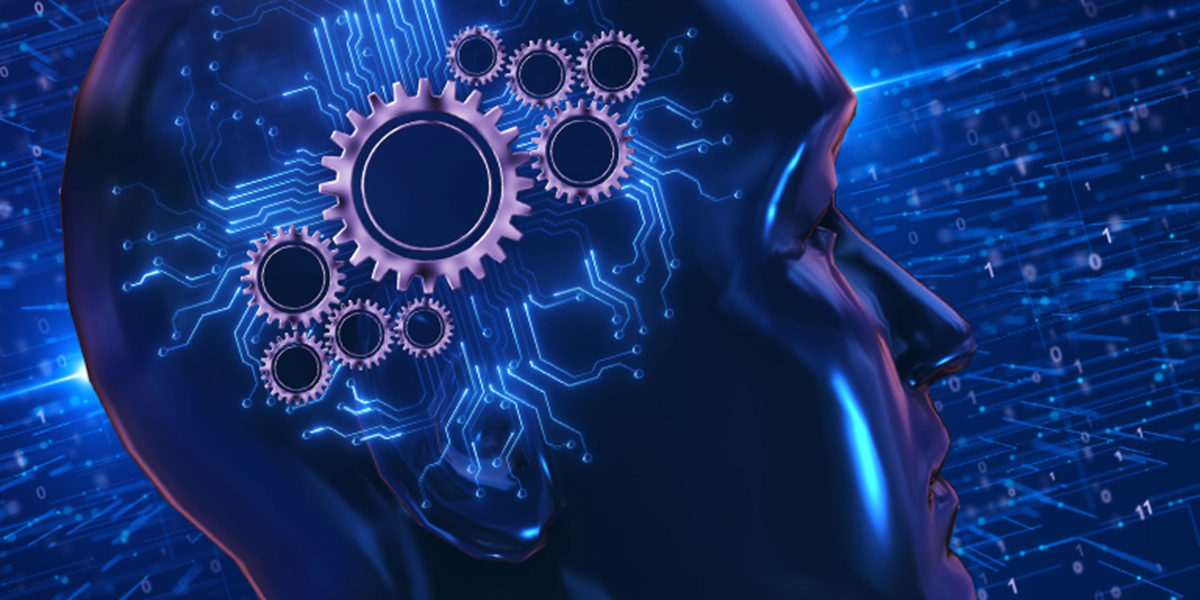
In 2023, I outlined the trajectory of the Fifth Industrial Revolution, beginning in 2024 with its Familiarization and Experimentation phase, focusing on understanding AI’s potential to redefine industries, work, and society. By 2025, the revolution entered the Productivity and Innovation phase. Rapid AI deployment exposed vulnerabilities: insufficient testing, flawed design, and fragmented user experiences. A global recalibration is now essential.

2026 marks the rise of Phase 3: Risk Management and Human-Centered Integration.

Early adopters will refine systems, emphasizing responsible deployment and a balanced partnership between automation and human judgment. Training, ethical governance, and process optimization will become central as organizations realize that lasting innovation requires both technological excellence and human insight.

The next industrial revolution doesn’t replace humans – It amplifies them when technology and judgment are aligned.

Over the year, systems will evolve to learn not only from data but from human intent and behavior. Robotics and automation will move from experimentation to structured integration, enabling intelligent collaboration between people and machines. By 2027, the next industrial era of the 6th Industrial Revolution will fuse human insight with intelligent systems. Yet before that dawn, 2026 is the moment to act with foresight and responsibility.

Ethical AI governance, transparency, and international cooperation must shift from aspiration to practice. Choices about design, deployment, and oversight will determine whether technology enhances humanity or undermines it.

About the Author

Deborah Collier is an influential strategic & ‘Futurist Leader’ with 30-years’ experience working across digital, technology, marketing and business. A digital, media and technology entrepreneur, described as a ‘global economic force’ as founder and president of industry’s global awarding body Digital Skills Authority. She is also a media CEO, and former non-executive director.

Listen to Future Dawned Podcast
5th Industrial Revolution – Agentic AI Episode

Subscribe to NEW YouTube Channel
Subscribe to Futurist Leader (Deborah’s channel)
Categories
DIGITAL & TECHNOLOGY FUTURE & HUMANITY

Reflect, Reset, Move Forward 

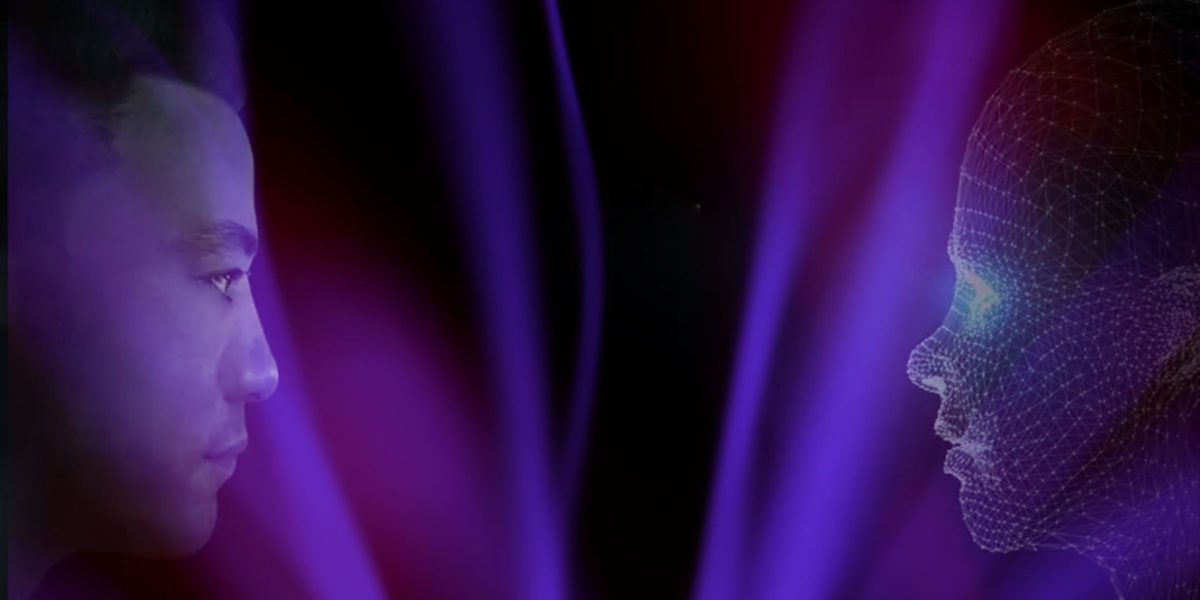
2026 invites a pause to examine humanity’s evolving bond with technology, digital products, and services. Innovation accelerates, but without human insight, speed alone risks chaos. Artificial intelligence, digital platforms, and emerging systems offer extraordinary potential—but also pose significant challenges. Ethical dilemmas, operational complexity, and societal disruption are tangible realities, and the choices we make today will decide whether technology becomes humanity’s greatest amplifier, or its quiet underminer.

Organizations confront critical decisions. AI-driven automation, evolving customer expectations, and efficiency pressures are reshaping business models. Mismanaged, these forces risk eroding trust, disengaging employees, and frustrating customers. Managed with insight, foresight, and ethical design, technology can amplify human capability and drive meaningful progress.

2026 is the fulcrum year: the decisions we make now will tip technology toward human advancement, or compromise.

Society is evolving alongside technology. A generation raised in an AI-native world must navigate work, learning, and service in partnership with intelligent systems.

In a world of AI, human expertise is the ultimate differentiator.

Clear processes, ethical leadership, and human-focused design will distinguish who thrives in this new era. Globally, control over data and infrastructure has become a new form of power—and accountability its moral test, making digital sovereignty, collaboration, and responsibility more important than ever.

Amid these challenges lies immense opportunity. 2026 is not just a moment for reflection—it is a moment to act decisively. Simplifying experiences and unifying services can turn disengagement into loyalty and inefficiency into insight. The decisions we make now will determine whether technology elevates humanity or undermines it.

About the Author

Deborah Collier is an influential strategic & ‘Futurist Leader’ with 30-years’ experience working across digital, technology, marketing and business. A digital, media and technology entrepreneur, described as a ‘global economic force’ as founder and president of industry’s global awarding body Digital Skills Authority. She is also a media CEO, and former non-executive director.

Listen to Future Dawned Podcast
5th Industrial Revolution – Agentic AI Episode

Subscribe to NEW YouTube Channel
Subscribe to Futurist Leader (Deborah’s channel)